
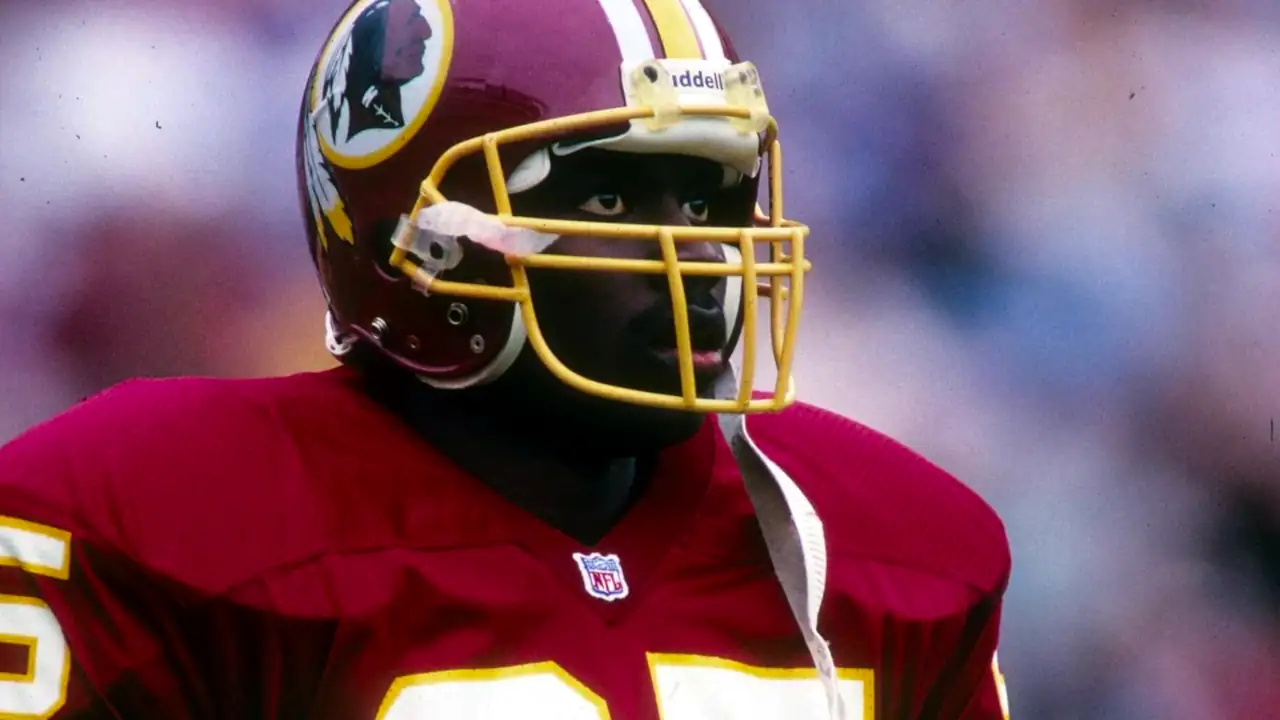
The Redskins 1993 NFL Draft arrived under the most difficult of circumstances. Just weeks earlier, Joe Gibbs had uttered the word Washington fans never wanted to hear — retirement. The city mourned. The franchise was in shock. And Charley Casserly was suddenly navigating one of the most critical days in football without his Hall of Fame coach by his side for the first time.
The End of an Era
Washington had finished 9-7 in 1992 — a playoff appearance, yes, but a deeply disappointing one for the defending Super Bowl champions. The team looked tired, slow and old. Gibbs, ever the pragmatist, saw the rebuild coming. Much like Bill Walsh before him in San Francisco, he chose to leave on his own terms rather than preside over a decline. It was, consequently, a decision that left Casserly without his most important ally heading into the offseason.
A Surprising Turnaround in Draft Quality
Here is the irony that history doesn’t always acknowledge. Casserly’s worst drafts came with Gibbs in the building. His best — at least up to this point — came the moment Gibbs walked out the door. The 1993 class produced four starters and one player who made a significant impact on the 1995 season. No superstars. No franchise-altering selections. However, solid, contributing NFL players — which, after the disaster of 1992, felt like a revelation.
Tom Carter: The Right Pick at the Right Time
Washington entered the draft desperately needing a cornerback. Free agency had arrived, and the Buccaneers had swooped in to sign Martin Mayhew, leaving Washington dangerously thin at the position. Darrell Green had broken his arm. A.J. Johnson had battled injuries throughout his career. The need was urgent and obvious.
The Redskins had their eye on Wayne Simmons out of Clemson, making multiple attempts to trade up for him. However, Green Bay grabbed Simmons with the 16th pick and Washington was forced to pivot. When the 18th pick arrived, the top-rated defensive back remaining on the board was Tom Carter out of Notre Dame. It was, therefore, a no-brainer.
Carter proved to be the best first-round pick Casserly ever made in Washington. He started eleven games as a rookie and rarely missed a start thereafter. He was physically gifted enough to match up with any receiver in the league. However, consistency remained his Achilles heel throughout his career — capable of all-pro brilliance in one half and looking completely lost in the next. Nevertheless, compared to Desmond Howard and Bobby Wilson before him, Carter was a genuine hit.
Reggie Brooks: The Brightest Flame That Burned Too Briefly
Perhaps the true highlight of the 1993 class came in the second round. Running back Reggie Brooks arrived and immediately announced himself to the league. In his rookie season he rushed for 1,063 yards at 4.8 yards per carry, dazzling fans with his explosive big-play ability. Washington fans were convinced they had found their featured back for years to come.
Unfortunately, Brooks’ style clashed badly with incoming head coach Norv Turner’s offensive philosophy. Turner wanted a grind-it-out, Emmitt Smith-style back who gained yards consistently in small chunks. Brooks, meanwhile, operated more in the Barry Sanders mold — lose a yard, lose four yards, then burst for twenty. Turner could live with the inconsistency. He could not live with the fumbles. Brooks made what Turner called the “big negative play” on multiple crucial occasions in 1994, and his playing time evaporated rapidly. The signing of Terry Allen in 1995 effectively ended his Washington career. He was released during training camp in 1996, having carried the ball just 102 times over his final two seasons after 223 carries as a rookie.
The Others: Promise Undermined by Problems
Three other names from the 1993 class deserve mention — though not for entirely positive reasons. Defensive end Sterling Palmer showed genuine ability when healthy, but injuries robbed him of any consistent opportunity to prove himself. Safety Darryl Morrison started all 16 games in 1994 but struggled badly, and a severe neck injury ultimately threatened to end his career altogether.
Most notably, tight end Frank Wycheck tested positive for steroids early in his Washington tenure and was suspended for part of the 1994 season. He played just 18 combined games for the Redskins, catching 23 passes before being released. The Houston Oilers picked him up and Wycheck immediately became a productive starter, recording 40 and 53 catches in his first two seasons there. It was, therefore, a significant loss in hindsight — though the circumstances made it unavoidable at the time.
Perspective: A Step in the Right Direction
Compared to what other teams produced in 1993, the Redskins held their own. Dallas, Green Bay and Pittsburgh were still building their rosters through the draft with impressive efficiency. However, Washington’s 1993 class was genuinely competitive by league standards — something that could not be said of the previous year’s disaster. No superstars emerged. Nevertheless, multiple players contributed meaningful NFL careers, and that alone represented significant progress for Casserly’s operation.
Final Thoughts
The Redskins 1993 NFL Draft will never be celebrated as a landmark class. However, in the context of what came before and what was about to follow, it stands as Casserly’s finest hour as a talent evaluator. Washington drafted smart, filled genuine needs and produced contributors at multiple positions. After the disaster of 1992, that was exactly what the franchise needed — even if the golden era was already firmly in the rear-view mirror.
Redskins 1993 NFL Draft Selections
Rd, Pick, Player, College
1, 17, Tom Carter, Notre Dame
2, 45, Reggie Brooks, Notre Dame
3, 71, Rick Hamilton, Central Florida
3, 80, Ed Bunn, Texas-El Paso
4, 101, Sterling Palmer, Florida St.
5, 128, Greg Huntington, Penn St.
6, 155, Darryl Morrison, Arizona
6, 160, Frank Wycheck, Maryland
8, 212, Lamont Hollinquest, USC